There is a biblical verse I love: Ever learning, and never able to come to the knowledge of the truth.
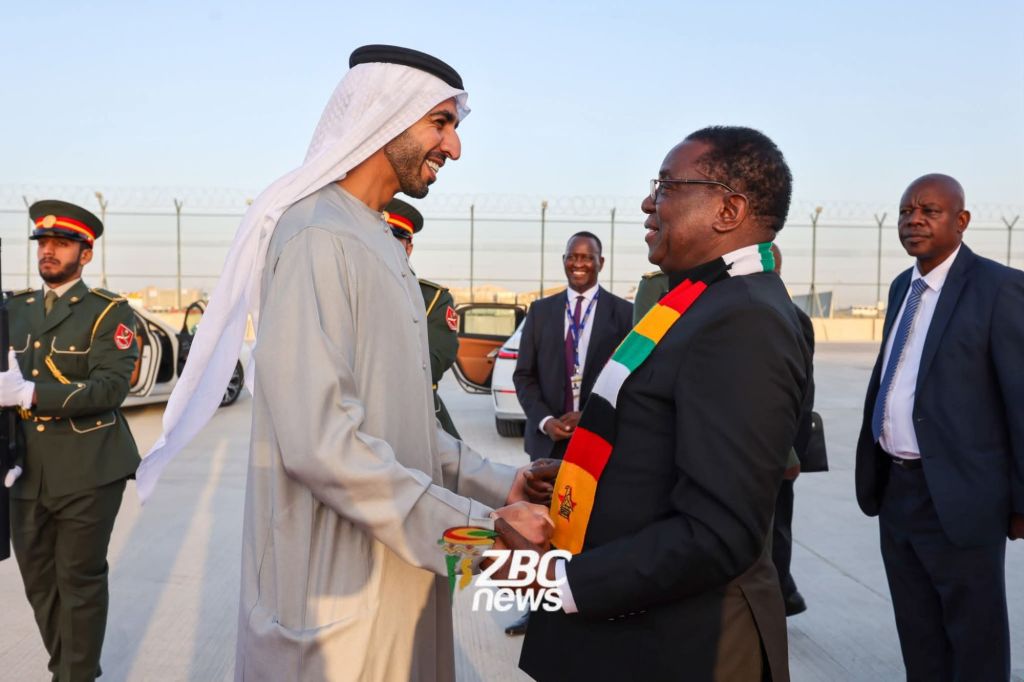
Today, President Emmerson Mnangagwa landed in Dubai to attend the World Governments Summit.
If you value independent, public-interest reporting and want to help keep it alive, please consider supporting my work financially — contact me via WhatsApp at +263 715 667 700 or email mbofana.tendairuben73@gmail.com
This is a gathering where leaders, experts, and policymakers from around the globe meet to discuss how governments can adapt to rapid change, tackle economic, technological, and social challenges, and build more effective, accountable, and forward-looking governance systems.
On paper, it sounds promising.
The summit offers a platform to learn from international best practices, to see how other nations are innovating, reforming, and empowering their citizens.
The question, however, is whether Zimbabweans ever benefit from what their leader learns.
The truth is stark.
These summits are full of ideas, strategies, and practical examples that could revolutionize governance in countries like Zimbabwe.
Leaders are exposed to new ways of managing public finances, tackling corruption, delivering essential services, and engaging citizens.
They witness models for inclusive economic growth, for using technology to improve government efficiency, for fostering accountability and transparency.
Theoretically, this exposure is invaluable.
For a nation whose people endure daily hardship, such knowledge could be transformative.
Yet, decades of observation suggest that the lessons gathered at global events rarely trickle down to Zimbabwe.
Roads remain impassable, hospitals are stripped of basic medicines and equipment, schools continue to crumble, and ordinary citizens struggle to access clean water, sanitation, and adequate healthcare.
The grand discussions on governance and reform are conspicuously absent from the lived realities of the people.
It raises a painful question: does President Mnangagwa truly learn from these events, or are they merely another stage for diplomatic appearances?
One cannot ignore the structural barriers that block the translation of global lessons into domestic progress.
Zimbabwe’s governance system is heavily constrained by entrenched patronage networks and political interests that benefit from maintaining the status quo.
Even when innovative ideas are presented, they may conflict with the incentives of those in power.
Corruption, selective implementation of policy, and bureaucratic inertia are far stronger than the lessons of accountability and efficiency discussed in Dubai boardrooms.
As a result, summit-inspired initiatives often remain superficial, cosmetic gestures designed to project the image of reform while leaving systemic issues untouched.
Attendance at these summits can also become symbolic rather than substantive.
It provides opportunities for high-profile photos, handshake diplomacy, and statements about Zimbabwe’s commitment to global engagement.
But for ordinary citizens, the tangible benefits of this learning are scarce.
Infrastructure may see small, isolated improvements, or pilot projects may be launched in limited areas, but the majority of the population continues to endure the same neglect and inefficiency that have defined the country for decades.
Knowledge gained on global best practices does not automatically translate into better roads, functioning hospitals, or accountable institutions.
Furthermore, there is a troubling performative aspect to such engagements.
By attending high-level forums, the government projects an image of participation, reform, and global relevance.
The optics of engagement may satisfy diplomatic observers or foreign investors temporarily, but they do little to address the pressing needs of Zimbabweans.
A leader may absorb the theories, admire the models, and even nod to recommendations, yet without domestic political will and structural reform, the lessons remain locked in conference rooms far from the daily struggles of citizens.
The ultimate consequence is a widening gap between the knowledge that is accessible at international summits and the lived reality of Zimbabweans.
While global leaders exchange ideas on reform and innovation, ordinary Zimbabweans continue to endure a government that celebrates cosmetic gestures while failing to deliver the essentials of governance.
Roads are patched instead of rebuilt, hospitals receive minimal equipment while critical needs persist, and schools receive isolated classroom blocks while decades of neglect remain unaddressed.
The people see the discussions in Dubai, the handshake photographs, the summit communiqués, yet these do not alleviate the harsh realities on the ground.
This is not merely a critique of attendance but of impact.
Summits are meant to inspire transformation, yet in Zimbabwe, the cycle remains unchanged.
Leadership remains disconnected from the daily hardships of its citizens.
Exposure to international best practices does not automatically result in policy change.
It is a sobering reality that attending a forum designed to improve governance has not translated into meaningful improvement for those who most need it.
Ultimately, Zimbabweans are left asking a simple but devastating question: does President Mnangagwa ever truly learn from these summits?
Or are they another stage for appearances, another opportunity to showcase engagement without delivering tangible results?
Until there is a system capable of translating knowledge into action, the answer remains painfully obvious.
The world may see Zimbabwe’s leader at international events, but for ordinary citizens, the benefits of these gatherings remain largely invisible, leaving them to endure the persistent failures of governance at home.
Participation in global summits offers opportunities, yes, but without accountability, political courage, and institutional reform, attendance alone does not improve lives.
For Zimbabweans, the proof is in the everyday reality: a country rich in resources and talent, yet impoverished in governance and opportunity.
Global knowledge cannot reach the people unless domestic leadership chooses to act upon it.
Until then, the summits will remain a distant spectacle, and the nation will continue to wait for the lessons learned to translate into real, tangible change.
● To directly receive his articles please join his WhatsApp Channel on: https://whatsapp.com/channel/0029VaqprWCIyPtRnKpkHe08
 TENDAI RUBEN MBOFANA - THE UN-OPPRESSED MIND!