There is a time for everything: a time to talk, and a time when we must act.
We watch each day as our once beautiful country, at one point the envy of the African continent, if not the whole world, is turned, right in front of our eyes, into a desolate basket case by those in power.
To directly receive articles from Tendai Ruben Mbofana, please join his WhatsApp Channel on: https://whatsapp.com/channel/0029VaqprWCIyPtRnKpkHe08
We watch as a country once hailed as the “jewel of Africa” is crushed into a dull, valueless stone through gross misgovernance and blatant looting by the ruling clique and their cronies, some even mischievously branded as “all-weather friends.”
Millions of our people have been driven into poverty, our youths stripped of hope, and a land once endowed with breathtaking sights transformed into a wasteland of mutilated mountains and poisoned rivers.
Chinese companies are allowed to plunder our vast natural resources with the full blessings of those in power, yet giving back virtually nothing to the communities they destroy.
We watch as families go hungry in a country of plenty, where the wealthy and privileged rob the poor.
We used to be the breadbasket of the region, but today millions can not afford more than one meal per day, while those in power flaunt obscene wealth acquired through corruption and plunder.
We watch as our towns and cities run dry, some going for years without a single drop of running water in their homes.
Both local authorities and central government are riddled with corruption and poor planning, leaving residents exposed to disease outbreaks and humiliation in their own country.
We go for endless hours each day without electricity, in a country that once had the capacity to export power to the region.
The result is further economic collapse, industries crippled, commerce disrupted, and households left in darkness and despair.
We watch as our children, especially in rural areas, are forced to learn under trees or in makeshift structures, sometimes sharing a single textbook among dozens of pupils—if they are lucky to even have one.
A nation that once prided itself on one of the best education systems in Africa is now robbing its children of a future.
We watch as our sons and daughters flee in their droves, seeking hope in foreign lands because their homeland has become a land of hopelessness.
Those left behind are driven into lives of street vending, prostitution, artisanal mining, and petty criminality.
Many of our youths, feeling trapped and forgotten, are drowning in drug addiction, while a leadership that has stolen their future turns a blind eye.
We watch in silence as unemployment, now estimated at over 90 percent, forces our young people into the informal sector, where they scrape out a living with no security or dignity.
Those fortunate enough to have formal jobs are treated like slaves, underpaid, overworked, and discarded at will, often without due process or justice.
We watch as our hospitals, once the pride of Zimbabwe, are turned into death traps.
They lack even the most basic medications, life-saving equipment, and trained personnel.
Patients are routinely turned away because the treatment they need is unavailable or because they cannot afford the extortionate fees.
What used to be a healthcare system admired across Africa has become a place where the poor go to die.
We watch as politically-connected elites loot national resources with impunity, acquiring multi-million-dollar contracts and state assets under the most suspicious circumstances.
Overnight, a handful of Zimbabweans are turned into billionaires while the masses sink deeper into misery.
Cry the beloved Zimbabwe.
But in all this, we, the ordinary citizens, are just watching.
We watch.
We complain.
We write endless articles.
We flood social media with angry posts about the wanton destruction of our motherland and the shameless flaunting of wealth by the politically connected.
Yet, that is all we do.
It is as if we expect, by some strange reasoning, that merely talking will change anything.
Do we truly believe that those in power, after looting the nation for decades, will suddenly have an epiphany and mend their ways?
Do we honestly think that by writing and complaining, the plunderers will stop pillaging?
The world does not work like that.
It is a brutal place where the strong prey on the weak, and silence is taken as consent.
In fact, the main reason our beloved country continues to sink deeper into the abyss of misery is that we, the people at the receiving end of this abuse, have chosen to do absolutely nothing to stop it.
We have taken the safer route, the easier route—the route of inaction.
But apathy and docility in the face of injustice do not yield results.
If anything, our passivity has become complicity.
It has emboldened those in power to continue in their wicked ways, confident that the people will never rise to resist them.
What is even more tragic is that the opposition itself has become an enabler in this rot—either by openly joining hands with the looting regime or by sitting quietly on the sidelines.
In many cases, they too have lost the moral high ground, caught up in internal fights, opportunism, and compromises that betray the very people they claim to represent.
Zimbabwe cannot afford to remain in this state of paralysis.
It is time Zimbabweans went beyond merely watching and talking.
It is time we said, “Enough is enough.”
We must act.
But what does action mean?
It does not always have to be violent or destructive.
Action begins at the community level.
Communities can organize themselves into watchdog groups that demand accountability from local authorities.
Residents’ associations can refuse to pay inflated rates until services improve.
Workers can unite in stronger unions that demand fair wages and resist exploitation.
Citizens can form movements that peacefully but consistently demand answers from their leaders, not just during election time but every single day.
At the national level, action means building a culture of solidarity and resistance.
It means refusing to normalize corruption and looting.
It means standing together to protect our environment from foreign companies that plunder and pollute.
It means mobilizing civil society, churches, students, professionals, and the diaspora into one united front that demands genuine change.
It also means refusing to give legitimacy to a corrupt system.
If elections are rigged, we should not sit back and sigh in despair—we should push for electoral reforms, for independent institutions, and for a judiciary that serves the people, not the powerful.
And perhaps most importantly, action means refusing to be silenced by fear.
Fear is the strongest weapon of any dictatorship, but history teaches us that when people shed fear, even the mightiest empires crumble.
Zimbabwe is not beyond saving.
But saving it requires more than words.
It requires courage, unity, and determination.
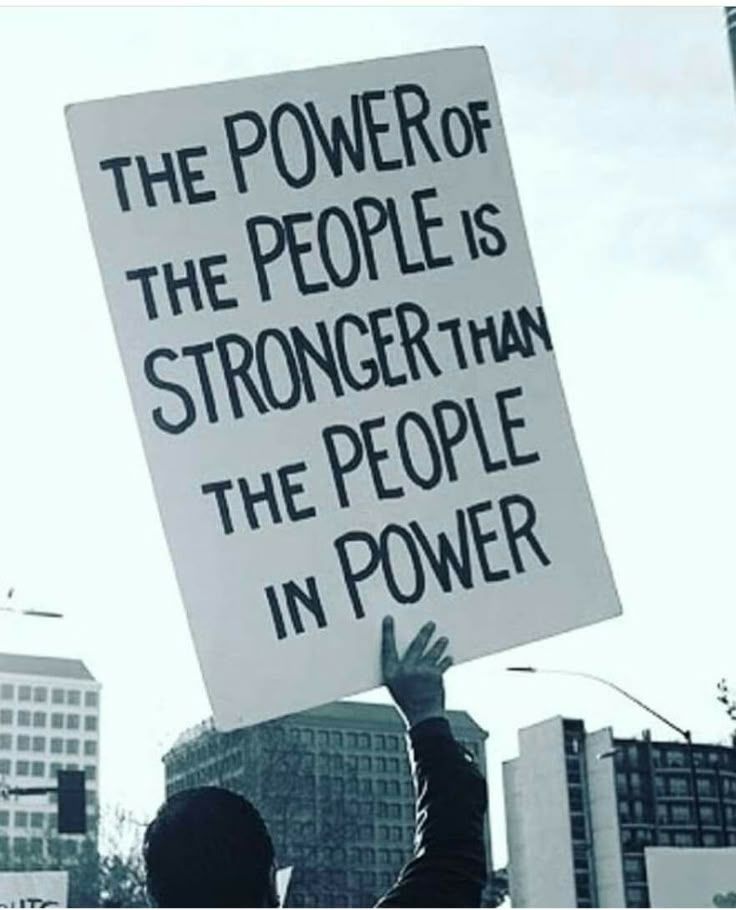
The ruling elite will not change out of goodwill—they will only change when the people force them to.
And that begins with us, with our choice to stop watching and start acting.
For too long, we have allowed others to destroy our country while we stood on the sidelines.
The time has come to rise, not tomorrow, not someday, but now.
If we love Zimbabwe, then talking is no longer enough.
 TENDAI RUBEN MBOFANA - THE UN-OPPRESSED MIND!