It is a problem too often overlooked, yet one with potentially devastating consequences.
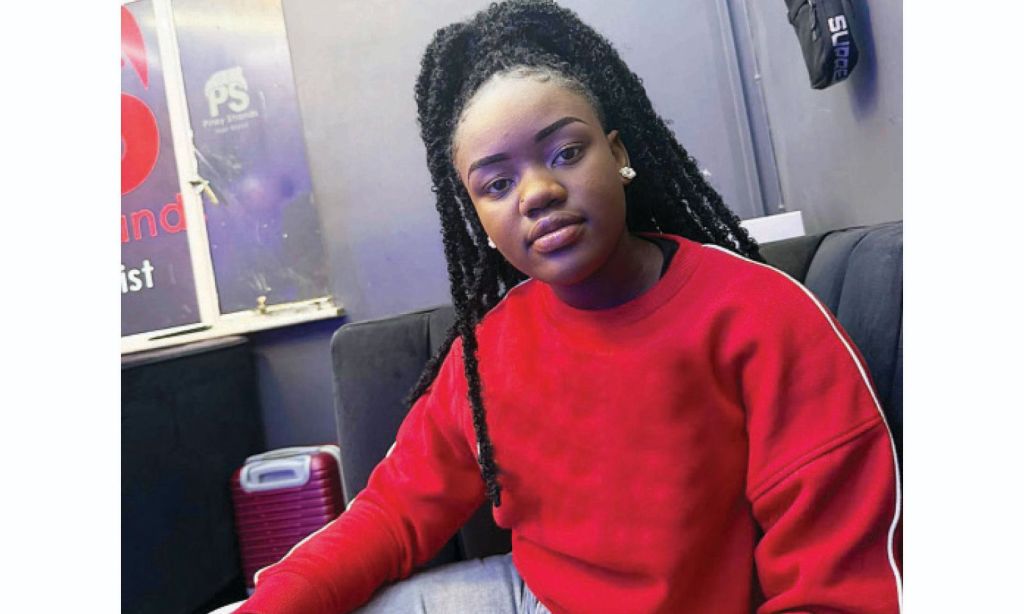
When I read the heartbreaking story of thirteen-year-old Mikaylah Mushinga, a Zimbabwean schoolgirl in the UK who shared her painful experiences of racism in her book I’m More Than The Black Girl, my heart bled.
To directly receive articles from Tendai Ruben Mbofana, please join his WhatsApp Channel on: https://whatsapp.com/channel/0029VaqprWCIyPtRnKpkHe08
At such a tender age, she was forced to grapple with unsettling questions and stereotypes that questioned not just her identity, but her very humanity.
Questions like, “Do you have water in Zimbabwe?” and “Do you wear real clothes?” may sound ignorant or even laughable to an outsider, but to a child struggling to find her footing in a new environment, they cut deep and leave scars not easily healed.
Her ordeal demonstrates a reality we rarely discuss with enough seriousness: the psychological and emotional challenges that children face when they migrate to new countries.
Migration is often painted as a glamorous or purely economic pursuit — an opportunity for better education, improved healthcare, or a brighter future.
But beneath this shiny surface lies a minefield of hidden struggles, especially for young children whose sense of identity and belonging is still in the making.
I found myself reflecting on my own experience when, at the age of fifteen in 1988, I traveled from Zimbabwe to Australia for the first time.
It was only a three-week visit, yet it left an impression that lingers to this day.
The family hosting me in Perth gently warned me during our first outing not to be alarmed if I received strange looks or even offensive remarks from people, as black faces were still uncommon in that part of Australia at the time.
As I began to make friends in both Perth and Adelaide, where I spent a week— all of them white — I was asked questions that revealed how little they knew of Africa.
Some wanted to know if there was ice cream where I came from, whether we lived in houses, and others could not place Zimbabwe on the map.
Unlike Mikaylah, I did not take offence.
Perhaps it was because I was older, or because I instinctively treated these questions as an opportunity to tell the story of my country, which, back then, still carried a positive international reputation.
Yet, as I look back, I cannot help but recognize the parallels.
These questions, though perhaps born out of curiosity rather than malice, highlight the sense of “otherness” that so many migrants must endure.
The difference is that Mikaylah, at only ten years old when she moved to the UK, had no preparation for what was to come.
She had never before been forced to confront her identity in such a way.
In Zimbabwe, being black was never questioned.
It was simply part of life.
But in England, her skin color became a label — a burden.
This is where the real danger lies: when children internalize these stereotypes, they may struggle with self-worth, confidence, and belonging, often leading to long-term emotional trauma.
Psychologists have long studied the challenges of cultural adjustment and identity formation among migrant children.
Research by the American Psychological Association shows that immigrant youth often experience higher levels of stress, depression, and anxiety compared to their native peers, largely due to pressures of assimilation and experiences of discrimination.
A 2018 UNICEF report on migrant children emphasized that those who migrate are particularly vulnerable because they must adapt to entirely new social, cultural, and educational environments, while at the same time grappling with prejudice and stereotyping.
In fact, a study conducted by the University of Sussex in 2020 found that African children in UK schools were more likely to experience racial microaggressions and exclusion compared to children from other ethnic minorities.
These microaggressions, though subtle, accumulate over time, leaving lasting impacts on a child’s psychological well-being.
Children as young as seven reported feeling “different” or “less intelligent” simply because of their accent, skin color, or cultural background.
For a thirteen-year-old like Mikaylah, who was still adjusting to a new home, this was nothing short of overwhelming.
What is most painful about her story is not just the ignorance of her peers, but the heavy burden it placed on her shoulders.
She describes changing her voice, softening her hair, and avoiding speaking Shona in public — all in an effort to blend in.
This desperate attempt to erase parts of oneself for acceptance is a silent tragedy of migration.
It robs children of their innocence, forces them to question their worth, and can leave them alienated from both their new society and their cultural roots.
This is why I believe there is an urgent need for structured counseling and guidance for families and children moving abroad.
Governments, schools, and communities should recognize that migration is not only a logistical and economic transition, but also a deeply emotional one.
Families should be provided with pre-departure counseling that prepares them, especially the children, for the realities they may face in their new environments.
This counseling should equip them with coping mechanisms, cultural awareness, and confidence in their own identity.
Equally important is the role of schools in the host countries.
Teachers and administrators must be trained to recognize and address racism, cultural stereotyping, and exclusion.
Studies published in the Journal of Educational Psychology highlight that inclusive classrooms, where diversity is acknowledged and celebrated rather than erased, significantly improve the well-being and academic performance of migrant children.
Programs such as intercultural awareness training and buddy systems, where new migrant children are paired with supportive peers, have been found to reduce feelings of isolation.
But counseling should not be for children alone.
Parents, too, must be prepared to support their children emotionally.
Too often, parents are preoccupied with adjusting to their own work or financial challenges in a new country, leaving children to silently carry their pain.
Structured guidance can help parents remain alert to the subtle signs of distress their children may display — withdrawal, sudden changes in behavior, or reluctance to attend school.
Looking back on my own experience in Australia, I realize I was fortunate.
I was old enough to contextualize the questions I faced, and resilient enough not to let them define me.
But not every child has that luxury.
For many, like Mikaylah, the weight is simply too much to bear alone.
Her courage in writing a book at such a young age is commendable, but it also speaks volumes about the depth of her pain.
It should not take children pouring out their trauma in memoirs for us to wake up to this reality.
Migration is not just about new beginnings — it is also about loss, adjustment, and survival.
Unless we take deliberate steps to guide and support young migrants, we risk raising a generation burdened with unresolved trauma, alienation, and fractured identities.
Mikaylah’s story is not an isolated one.
It echoes the experiences of countless migrant children across the world, who, every day, face the same questions, the same stares, and the same invisible weight.
Her resilience should inspire us, but more importantly, it should challenge us to act.
Migration must come with counseling, with guidance, and with compassion — because no child should have to discover their “difference” through pain.
 TENDAI RUBEN MBOFANA - THE UN-OPPRESSED MIND!