Zimbabwe is currently experiencing a severe power generation deficit, producing only 866 MW out of the national daily requirement of 2400 MW.
The country’s main sources—Hwange Thermal Power Station, Kariba Hydroelectric Power Station, and Independent Power Producers—contribute 639 MW, 184 MW, and 43 MW respectively, leaving a critical gap that has resulted in daily load-shedding lasting up to 16 hours.
The government attributes the crisis primarily to the El Niño-induced drought, which has reduced water levels at Kariba.
However, there are troubling inconsistencies with this official narrative.
Several neighboring countries facing similar generation deficits are mitigating their power shortages through electricity imports.
Zimbabwe, however, seems unable or unwilling to do the same, raising questions about the effectiveness of the Zimbabwe Electricity Supply Authority (ZESA) and government policies that appear inadequate in addressing the crisis.
This article explores the layers of mismanagement, corruption, outdated infrastructure, and lack of green energy investment that have rendered the nation’s power sector unable to meet citizens’ needs, with dire consequences for both the economy and households.
A Regional Comparison: Why Zimbabwe’s Import Strategy Falls Short
It is not uncommon for countries, especially those in the developing world, to produce less power than they consume.
Nations like South Africa, Botswana, and Namibia have addressed their power deficits by securing electricity imports to bridge the gap, yet Zimbabwe has struggled to follow suit.
For instance, South Africa boasts an installed capacity of approximately 48,000 MW, producing around 30,000–35,000 MW while importing about 1,000–1,500 MW primarily from Mozambique and Lesotho to stabilize its grid.
Similarly, Zambia has a total capacity of about 2,800 MW but typically produces only 1,500–1,800 MW, relying on imports of 100–300 MW from South Africa during dry seasons.
Namibia, with a production of around 600–800 MW, sources about 60% of its electricity from South Africa.
This situation underscores the pressing need for Zimbabwe to explore immediate electricity imports and invest in sustainable solutions to address its ongoing power crisis effectively.
To directly receive articles from Tendai Ruben Mbofana, please join his WhatsApp Channel on: https://whatsapp.com/channel/0029VaqprWCIyPtRnKpkHe08
ZESA’s failure to ensure adequate electricity imports places Zimbabwe at a unique disadvantage in the region, with load-shedding that reaches disruptive levels not seen in other countries with similar deficits.
This lack of imports cannot be dismissed as a logistical or resource issue; rather, it appears to be a symptom of deeper inefficiencies within ZESA and the Zimbabwean government.
Regional electricity pools such as the Southern African Power Pool (SAPP) facilitate the trade of surplus electricity between countries, yet Zimbabwe has been unable to fully capitalize on these networks.
Instead, citizens and businesses are left in darkness, a predicament that highlights glaring administrative and operational deficiencies.
Corruption and Mismanagement at ZESA
One of the critical reasons behind Zimbabwe’s inability to resolve its power issues lies in pervasive corruption and mismanagement at ZESA.
The Auditor-General’s reports over the past few years have revealed instances of financial irregularities, contract mismanagement, and poor accountability within the power utility.
Corruption has not only drained ZESA’s financial resources but has also diverted funds away from critical infrastructure improvements and maintenance.
Funds that could have gone into securing electricity imports, repairing aging equipment, or investing in renewable energy have instead been squandered due to graft and mismanagement.
Cases of corruption at ZESA are numerous and well-documented.
For instance, procurement irregularities—where contracts are awarded without due process or to entities with no track record in power supply—have raised serious questions about internal oversight.
In 2020, reports surfaced detailing millions of dollars in misallocated funds, with contracts awarded to companies connected to senior officials within ZESA.
Such practices have not only inflated costs but have also crippled ZESA’s ability to provide consistent service.
Corruption on this scale has resulted in a loss of public trust and increased suffering for ordinary Zimbabweans who now pay the price for this mismanagement through excessive load-shedding.
Further compounding the issue, there has been little accountability for these actions.
Despite revelations from the Auditor-General, there is little evidence of disciplinary measures or policy changes within ZESA to prevent these abuses from recurring.
The lack of accountability has entrenched a culture of impunity, making it difficult for the utility to fulfill its mandate effectively.
Without reform at the highest levels of ZESA, Zimbabwe’s power crisis is likely to continue unabated, with corruption remaining a core impediment to progress.
Antiquated Infrastructure and Lack of Investment
The issue of antiquated infrastructure is another major obstacle to reliable power generation in Zimbabwe.
Much of Zimbabwe’s power infrastructure dates back to the colonial era, and has long surpassed its operational lifespan.
Hwange Thermal Power Station, for example, remains one of the country’s primary sources of electricity, yet it operates on equipment that was installed decades ago.
Despite recent upgrades with the commissioning of Units 7 and 8, Hwange’s total output remains alarmingly low.
The plant’s reported output of only 639 MW suggests that other units are underperforming or non-operational, a worrying indication that these units are no longer capable of meeting the demands of modern Zimbabwe.
The government’s recent commissioning of Units 7 and 8 at Hwange Thermal Power Station was meant to inject 600 MW into the grid, with each unit designed to produce 300 MW.
However, the current output of 639 MW suggests that the remaining five units are generating a mere 39 MW altogether—a dismal figure considering the investment that has been poured into Hwange over the years.
This discrepancy raises concerns over the efficiency and maintenance of the older units, begging the question: is ZESA prioritizing preventive maintenance and upkeep, or are the funds allocated for this purpose being siphoned off through corruption?
Additionally, reliance on this outdated infrastructure prevents Zimbabwe from fully embracing more sustainable and cost-effective energy solutions.
Many developing nations have pivoted to renewable sources like solar and wind to complement their traditional energy infrastructure.
Zimbabwe, however, has lagged in this area, largely due to a lack of investment in green technology and an apparent unwillingness to modernize.
Modernizing Zimbabwe’s energy sector would not only increase efficiency but also reduce dependency on water-based power stations, making the country less vulnerable to climate fluctuations and droughts.
Green Energy Neglect: A Missed Opportunity
In a country with abundant sunlight, Zimbabwe’s limited investment in green energy stands out as a glaring missed opportunity.
Solar power could provide a consistent and climate-resilient supplement to the national grid, yet progress in this area remains stagnant.
Countries across Africa, including Kenya and South Africa, have made significant strides in green energy adoption, particularly solar.
Zimbabwe, by contrast, has yet to fully tap into its solar potential, despite evidence that solar power could alleviate the pressure on hydro and thermal plants.
The benefits of green energy are not only environmental but also economic.
Solar farms can be scaled up or down based on demand, offering flexibility that traditional power plants lack.
Additionally, investment in solar could stimulate local economies by creating new jobs in installation, maintenance, and research.
However, government interest in green energy has been minimal, with only a handful of Independent Power Producers (IPPs) contributing a mere 43 MW to the national grid.
This lack of commitment to renewable energy reflects a short-term mindset within the government and ZESA, overlooking sustainable solutions that could help the country navigate its energy crisis more effectively.
By ignoring the potential of solar energy, Zimbabwe remains overly reliant on unpredictable resources like water and coal.
An investment in green energy could help Zimbabwe stabilize its power supply and lessen the frequency and severity of load-shedding, ensuring that businesses and households alike have a dependable electricity source.
Economic Impact of Load-Shedding
The economic consequences of daily power outages are staggering.
Zimbabwe’s industrial sector is estimated to lose an average of $80 million each month due to production delays and the additional costs associated with alternative energy sources like diesel generators.
Large-scale manufacturers, including those in mining and manufacturing, are forced to cut back on output or pay exorbitant costs to keep operations running during prolonged outages.
For these industries, the unpredictability of electricity supply increases operational costs, lowers productivity, and ultimately makes Zimbabwe a less competitive environment for investment and economic growth.
The effect on small and medium-sized enterprises (SMMEs) is even more severe.
Unlike larger corporations, SMMEs often lack the resources to invest in alternative power solutions.
Many SMMEs rely on consistent power supply to run refrigeration units, computers, and production machinery.
The prolonged power cuts put these businesses at risk of financial ruin, as they cannot afford the losses or the additional burden of generator fuel.
Without intervention, the growing strain on SMMEs could lead to widespread business closures, job losses, and economic stagnation.
For an economy already grappling with high unemployment and inflation, the collapse of SMMEs represents a significant threat to Zimbabwe’s economic resilience.
Furthermore, the power outages deter foreign direct investment (FDI), as prospective investors view Zimbabwe’s unreliable energy supply as a red flag.
In the competitive global market, where investors seek stable environments, Zimbabwe’s failure to address its energy crisis weakens its standing.
Potential investors may instead choose countries with more dependable infrastructure, depriving Zimbabwe of opportunities to grow its economy and improve its citizens’ quality of life.
Impact on Households and Consumer Costs
The effects of Zimbabwe’s power crisis extend beyond the industrial and commercial sectors, seeping into the everyday lives of citizens.
For families, load-shedding means frequent spoilage of perishable goods such as meat, dairy, and vegetables due to a lack of reliable refrigeration.
As a result, many households are forced to buy food in small quantities to avoid spoilage, a practice that is costlier and far less efficient than bulk buying.
This increases the financial burden on families already struggling with high living costs, leading to greater food insecurity and diminished quality of life.
Daily power cuts also disrupt essential household routines.
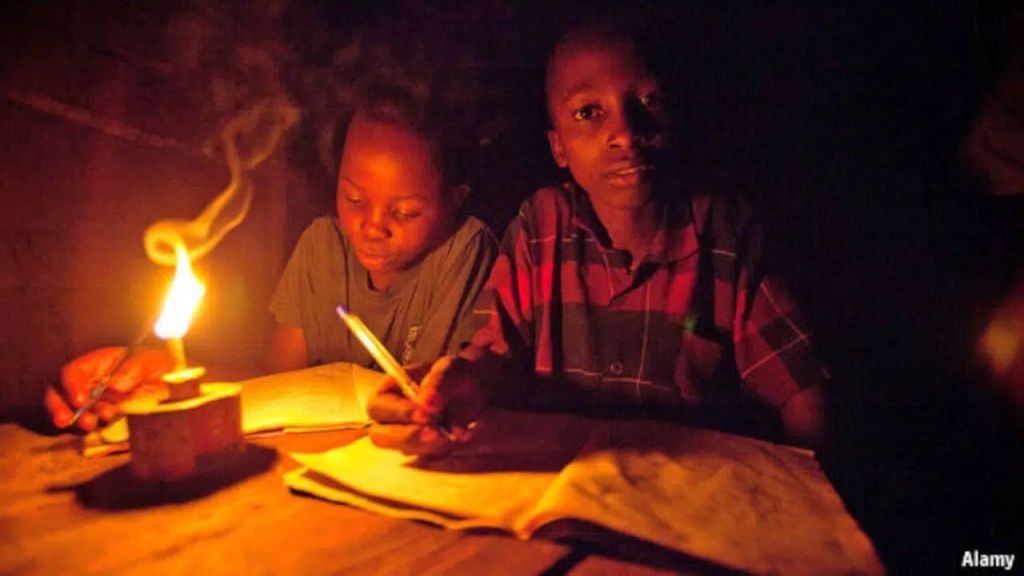
Families rely on electricity not only for cooking and heating but also for lighting, particularly important for students who need light to study in the evenings.
With load-shedding often stretching to 16 hours, families are forced to turn to alternatives like candles, firewood, gas, and generators, all of which come at an extra cost and introduce safety risks.
For many low-income households, these additional expenses are unaffordable, leaving them in the dark both figuratively and literally.
The overreliance on firewood as an alternative energy source during prolonged load-shedding in Zimbabwe has significant environmental consequences.
As households turn to firewood to meet their energy needs, deforestation accelerates, leading to the loss of vital ecosystems.
This unsustainable harvesting of trees not only diminishes biodiversity but also disrupts natural habitats, threatening wildlife and increasing soil erosion.
The depletion of forests further exacerbates climate change by reducing the planet’s capacity to absorb carbon dioxide, contributing to the very problem that has driven communities to seek alternative energy sources in the first place.
This situation creates a paradox for Zimbabwe, which heavily relies on hydroelectric power generation.
As deforestation increases, water catchment areas become compromised, resulting in decreased water levels in rivers and dams—such as the Kariba Dam—which are essential for hydroelectric power generation.
This cycle of environmental degradation not only undermines Zimbabwe’s energy security but also intensifies the impacts of climate change.
The country finds itself caught in a vicious cycle where reliance on an environmentally harmful alternative exacerbates the challenges posed by its primary energy source, highlighting the urgent need for sustainable energy solutions that can address both energy and environmental concerns.
In rural areas, where access to reliable power is already limited, the crisis exacerbates inequality.
The lack of power in rural clinics, for example, hinders the ability to store vaccines and other medicines requiring refrigeration, putting public health at risk.
Schools, too, struggle to operate effectively without electricity, limiting educational opportunities and widening the urban-rural divide.
These challenges underscore how Zimbabwe’s power crisis affects not only economic productivity but also the fundamental rights of citizens to health and education.
Conclusion: A Call for Reform and Renewable Energy Investment
Zimbabwe’s persistent power crisis, driven by an inadequate generation capacity, outdated infrastructure, mismanagement, and corruption, demands a comprehensive and transparent approach to reform.
The government must prioritize investments in both short-term solutions, such as securing electricity imports, and long-term strategies, such as modernizing the national grid and expanding renewable energy sources.
Solar energy, in particular, offers a viable alternative to supplement the national grid, reducing reliance on water-based generation vulnerable to climate impacts like drought.
Addressing these issues requires accountability within ZESA and a commitment from the government to combat corruption and redirect funds toward infrastructure development and maintenance.
The public has a right to transparency in how ZESA and government officials manage resources, especially in times of national crisis.
Efforts should be made to strengthen oversight, enforce the Auditor-General’s recommendations, and ensure that the mismanagement that has plagued ZESA is eradicated.
Inaction is no longer an option.
The continuous cycle of load-shedding is costing Zimbabwe billions of dollars in lost productivity, driving businesses to the brink, and placing additional financial burdens on households.
If Zimbabwe is to restore its economy and provide its citizens with a decent standard of living, it must tackle the root causes of its power crisis and embrace sustainable, renewable energy solutions.
The road to energy security and economic resilience will be challenging, but with effective governance, investment in modern infrastructure, and a strong commitment to renewable energy, Zimbabwe can overcome its current power crisis and lay the foundation for a brighter, more stable future.
 TENDAI RUBEN MBOFANA - THE UN-OPPRESSED MIND!