I was listening this morning as the Minister of Mines, Winston Chitando, boasted over Zimbabwe’s increasing diamond production.
Indeed, Zimbabwe’s diamond industry has long been touted as a beacon of hope for the country’s economic revival.
In fact, Zimbabwe ranks as the seventh- biggest diamond producer in the world with an output of over 5 million carats worth over US$500 million in 2023, according to statistics released by the Kimberley Process Certification Scheme (KPCS).
In terms of diamond output, the Southern African country was only behind Botswana, Russia, Angola, Canada, South Africa, and Namibia.
Zimbabwe is aiming to produce 7 million carats of diamonds this year, and the sector is targeting an annual revenue of US$1 billion.
Based on the Reserve Bank of Zimbabwe (RBZ) figures, the diamond industry accounts for approximately 30% of Zimbabwe’s total mineral exports.
Whereas, the KPCS report that the Marange diamond fields are estimated to have produced over 20 million carats since 2006.
With production and exports soaring to 5 million carats in 2023, one would expect the communities surrounding these diamond-rich areas to be thriving.
Sadly, the reality is starkly different.
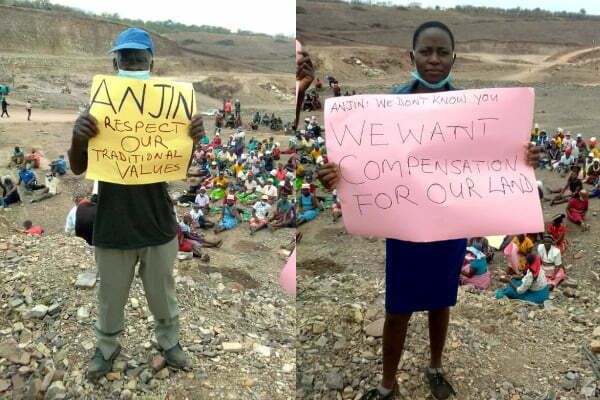
The people of Marange, displaced from their ancestral lands by companies like Chinese Anjin Investments, continue to wallow in poverty, their lives a testament to the dark underbelly of Zimbabwe’s diamond boom.
To directly receive articles from Tendai Ruben Mbofana, please join his WhatsApp Group on: https://chat.whatsapp.com/CBQVPGODBPQG969OBVLyeT
Marange, a region in eastern Zimbabwe, was once home to thriving communities.
However, the discovery of diamonds in 2006 brought chaos.
Over 20,000 people were forcibly evicted from their ancestral lands in Marange to make way for diamond mining, based on Human Rights Watch.
As we speak, according to UNICEF, an estimated 70% of Marange residents lack access to clean water.
The World Health Organization (WHO) reports that infant mortality rates in Marange are 50% higher than the national average.
Yet, promises of compensation and better living conditions remain unfulfilled.
Today, Marange residents struggle to access basic necessities like clean water, healthcare, and education.
Diamond mining has ravaged Marange’s environment.
The once-pristine landscape now resembles a barren wasteland.
Diamond mining in Marange has resulted in the destruction of over 10,000 hectares of forest, according to the Environmental Management Agency (EMA).
The Zimbabwe National Water Authority (ZINWA) says water pollution from mining activities affects over 50% of Marange’s rivers.
A study undertaken by the Midlands State University (MSU) has shown a protracted increase in water quality problems in both Save and Odzi rivers due to the discharge harmful substances from mining operations.
In fact, the Save and Odzi rivers are now a pale shadow of their former selves on account of the massive environmental degradation caused by siltation from the nearby mining activities.
This has forced the people of these areas to fetch water from unsafe sources, exposing them to waterborne diseases.
Deforestation and soil erosion have destroyed fertile land, threatening food security, affecting the livelihoods of 80% of Marange’s farming community, based on the Food and Agriculture Organization (FAO).
The Zimbabwean government’s failure to ensure that diamond revenues benefit local communities is a betrayal of trust.
Where are the schools, hospitals, and roads promised to these communities?
Why have the displaced residents not received fair compensation for their lost livelihoods?
The absence of transparency and accountability in the diamond industry has allowed foreign companies to exploit Zimbabwe’s resources, leaving locals with nothing but dust and despair.
This is not just an economic issue; it’s a human rights crisis.
According to Amnesty International, 90% of Marange residents reported experiencing human rights abuses related to diamond mining.
Over 500 cases of forced labour have been documented in Marange’s diamond mines by the International Labour Organization (ILO) – with most employees underpaid and working under unsafe conditions.
Women and children are disproportionately affected by diamond mining-related violence, with UN Women reporting numerous cases of sexual abuse.
The people of Marange and other diamond-rich areas deserve better.
They deserve to benefit from the resources extracted from their ancestral lands.
They deserve clean water, quality healthcare, and education.
Most importantly, they deserve justice.
Foreign companies, particularly Chinese Anjin Investments, have been accused of exploiting Zimbabwe’s resources with impunity.
Anjin Investments, according to Global Witness, has extracted an estimated US$1 billion worth of diamonds from Marange since 2010.
Yet, research shows that the company has paid less than 5% of its profits to the Zimbabwean government through the Zimbabwe Revenue Authority (ZIMRA).
In all this, their operations have displaced communities, destroyed environments, and ignored labour laws.
The President Emmerson Dambudzo Mnangagwa administration’s failure to regulate these companies has perpetuated the suffering.
The government must take responsibility for its failures.
It must ensure transparent and accountable management of diamond revenues.
Chinese companies as Anjin Investments must provide fair compensation to displaced communities, as well as invest in meaningful essential infrastructure and services.
There needs to be measures in place to protect the environment and hold polluters accountable.
State institutions such as the EMA have to be seen to be fulfilling their mandates without fear or favour.
The Environmental Impact Assessment (EIA) for these mining operations must be adhered to and re-evaluated.
The international community has a role to play in demanding greater transparency in Zimbabwe’s diamond industry and supporting initiatives promoting local community development.
These companies should be held accountable for all environmental and human rights abuses.
We need to see the ILO on the ground assessing the working conditions of employees at these mining companies.
Civil society organizations (CSOs), such as the Centre for Natural Resource Governance (CNRG), must continue to advocate for the rights of affected communities.
They must document human rights abuses, support community-led initiatives, and engage in policy advocacy.
Finally, I recommend the establishment of an independent body to oversee diamond revenue management.
The Auditor-General says that over 50% of diamond revenue is unaccounted for due to lack of transparency.
The Zimbabwean government has allocated less than 10% of diamond revenue to community development projects based on the Ministry of Finance statistics.
We also need the development of a comprehensive compensation package for displaced communities.
Companies operating in the extractive sector must be compelled by law to invest in environmental rehabilitation and conservation.
Lastly, Zimbabwe must strengthen its labour laws in order to protect workers and ensure their enforcement.
Zimbabwe’s diamond wealth should be a blessing, not a curse.
It’s time for the government to prioritize the needs of its citizens over the interests of foreign companies.
We must demand transparency, accountability, and fair distribution of resources.
Only then can we begin to address the historical injustices perpetrated against communities like Marange.
 TENDAI RUBEN MBOFANA - THE UN-OPPRESSED MIND!
he Plight of Marange: A Call for Responsible Mining in Zimbabwe
Zimbabwe’s diamond industry, though a significant contributor to the nation’s economy, has been marred by controversy and allegations of human rights abuses, environmental damage, and lack of transparency. The situation in Marange, as highlighted in Tendai Ruben Mbofana’s article, serves as a stark reminder of the urgent need for responsible mining practices in the country.
Key Challenges Highlighted in the Article:
Displacement and Inadequate Compensation: Thousands of people were forcibly evicted from their ancestral lands with inadequate compensation and unfulfilled promises of better living conditions.
Lack of Basic Amenities: Marange residents face a severe lack of access to clean water, healthcare, and education, resulting in higher infant mortality rates and poor living standards.
Environmental Degradation: Diamond mining has led to deforestation, water pollution, and soil erosion, threatening the livelihoods of local communities and causing irreversible damage to the environment.
Human Rights Abuses: Reports of forced labour, unsafe working conditions, and violence against women and children highlight a concerning human rights crisis in the mining sector.
Lack of Transparency and Accountability: Limited transparency in revenue management and a lack of accountability for foreign mining companies have allowed the exploitation of resources with minimal benefit to local communities.
Proposed Responsible Mining Practices and Auditing Framework for Zimbabwe:
To address these challenges, the Ministry of Mines in Zimbabwe could consider implementing the following framework:
1. Community Engagement and Consent:
Free, Prior, and Informed Consent (FPIC): Mandate FPIC from affected communities before any mining project commences.
Community Development Agreements (CDAs): Negotiate CDAs that ensure equitable sharing of benefits, address community needs, and include provisions for grievance resolution.
Community Participation in Monitoring: Involve communities in monitoring mining operations and environmental impacts.
2. Environmental Protection:
Strict Environmental Impact Assessments (EIAs): Conduct thorough EIAs before granting mining licenses, with public consultations and independent reviews.
Environmental Management Plans: Require companies to develop and implement comprehensive Environmental Management Plans.
Water Resource Management: Implement strict regulations on water usage, discharge, and pollution control.
Rehabilitation and Reclamation: Enforce mandatory mine closure plans with provisions for rehabilitation and reclamation of affected areas.
3. Labor Rights and Safety:
Compliance with International Labor Standards: Ensure compliance with ILO conventions on labor rights, including freedom of association, collective bargaining, and prohibition of forced labor.
Safe and Healthy Working Conditions: Enforce strict safety standards and regular inspections of mining operations.
Fair Wages and Benefits: Ensure fair wages, benefits, and social security for mine workers.
4. Revenue Transparency and Management:
Publicly Accessible Revenue Data: Publish disaggregated data on mining revenues, including royalties, taxes, and other payments.
Independent Revenue Monitoring: Establish an independent body to oversee revenue collection and management.
Equitable Revenue Sharing: Develop a transparent mechanism for equitable sharing of mining revenues between the government, local communities, and the nation.
5. Human Rights Due Diligence:
Human Rights Impact Assessments: Require companies to conduct Human Rights Impact Assessments and implement mitigation measures.
Grievance Mechanisms: Establish accessible and effective grievance mechanisms for addressing human rights complaints.
Monitoring and Reporting: Regularly monitor and report on human rights performance of mining companies.
Auditing Framework:
Independent Audits: Conduct regular independent audits of mining companies to assess compliance with the framework.
Community-Based Monitoring: Empower communities to monitor mining operations and report any violations.
Public Reporting: Publish audit findings and company performance reports to ensure transparency and accountability.
Sanctions and Penalties: Implement a system of sanctions and penalties for non-compliance with the framework.
A Balanced Perspective on Responsible Mining in Zimbabwe: Navigating the Complexities of Marange
The situation in Marange, as depicted in Tendai Ruben Mbofana’s article, serves as a poignant reminder of the urgent need for responsible mining practices in Zimbabwe. While the article highlights valid concerns regarding community displacement, environmental degradation, human rights abuses, and lack of transparency, it is crucial to adopt a balanced perspective that acknowledges the government’s ongoing efforts to address these challenges.
Key Challenges and the Path to Responsible Mining
The issues raised in the article, such as forced evictions, inadequate compensation, lack of basic amenities, and environmental damage, underscore the devastating impact that irresponsible mining can have on communities and the environment. These challenges demand immediate attention and action from all stakeholders.
However, it is important to recognise the government’s initiatives aimed at promoting responsible mining practices. The Minister of Mines has repeatedly emphasised the government’s commitment to sustainable development and has highlighted efforts to improve transparency, community engagement, and environmental protection in the mining sector.
The new Mines and Minerals Amendment Bill, currently under development, further demonstrates the government’s commitment to addressing the shortcomings in the mining sector. The Bill seeks to enhance community rights, strengthen environmental safeguards, and improve revenue transparency.
A Legal Analysis of the Issues
From a legal perspective, several key issues arise:
Land Rights and Displacement: The forced evictions in Marange raise concerns about compliance with the Constitution’s provisions on property rights and the need for free, prior, and informed consent from communities affected by mining activities.
Environmental Protection: The environmental degradation caused by mining operations highlights the need for stricter enforcement of environmental laws and regulations, such as the Environmental Management Act, and the importance of robust environmental impact assessments and rehabilitation plans.
Human Rights: The alleged human rights abuses underscore the need for greater protection of labor rights, safe working conditions, and mechanisms for addressing grievances and ensuring accountability.
Transparency and Accountability: The lack of transparency in revenue management raises concerns about compliance with the principles of good governance and the need for greater public access to information on mining revenues and their distribution.
Recommendations for a Responsible Mining Framework
To address these challenges and ensure responsible mining practices in Zimbabwe, the following recommendations are crucial:
Strengthening Legal Frameworks: The new Mines Bill should incorporate robust provisions on community rights, environmental protection, labor standards, and revenue transparency.
Effective Implementation and Enforcement: The government must ensure effective implementation and enforcement of existing and new mining laws and regulations.
Community Engagement and Participation: Meaningful community engagement and participation in decision-making processes related to mining projects are essential.
Transparency and Accountability: Greater transparency in mining contracts, revenue management, and environmental performance is crucial.
Remediation and Compensation: Addressing past injustices, including providing adequate compensation to displaced communities and rehabilitating affected areas, is essential.
Collaboration and Partnerships: Fostering collaboration between the government, mining companies, civil society, and local communities is key to achieving responsible mining practices.
Conclusion:
The situation in Marange underscores the urgent need for a comprehensive and robust responsible mining framework in Zimbabwe. By prioritizing community rights, environmental protection, labor standards, and revenue transparency, the government can ensure that the country’s mineral wealth benefits all its citizens and contributes to sustainable development. The proposed framework, along with a strong auditing mechanism, can help guide the Ministry of Mines in addressing the challenges and ensuring that mining in Zimbabwe becomes a blessing, not a curse.
LikeLike